
The MMDR Act governs India’s mineral resources, but for mineral-rich Odisha, changes in this law raise serious questions about state rights, revenue, resources and the interests of its people. The Writer research the MMDR Act and its implications for Odisha, exploring mining policies, mineral rights, tribal communities, environmental protection, local livelihoods, and debates over equitable resource sharing.
What is the MMDR Act?
The Mines and Minerals (Development and Regulation) Act, or MMDR Act, is a statute that regulates mining and exploration permits in certain states of India, including Odisha, Jharkhand, Karnataka, Telangana, and Kerala. A central government entity and a state government entity are responsible for its management. The state of Odisha provides approximately 44% of India’s mineral resources, making any change in law that affects the economy and employment a major concern for the state.
How Does the MMDR Bill Affect Odisha?
Odisha’s growing market has a huge supply of minerals, including coal, iron, bauxite, manganese, and chromite, which will have an impact because mining generates income for the state government. They use these revenues to build roads, schools, hospitals, and other development initiatives. Thus, the new act makes life difficult for Odisha, since it did not receive any revenues from mining and had to halt several Odisha projects due to a lack of funds. However, the introduction of the new Act has created financial challenges for Odisha by limiting its access to mining revenues. As a result, the state has faced difficulties in financing development initiatives, forcing several projects to be delayed or halted due to a shortage of funds.
Why Is There a Fight Against the Law?
The opposition has concerns about the rights under the Odisha law. They extract minerals from their own land, and earlier they received taxes that they invested in their projects. The opposition estimates that there is 1 lakh crore in dues and, in the future, 12000 crore in potential revenue loss that impacts Odisha. According to critics, since they own their land, they receive a minimal share of the benefits.
What Are the Potential Disadvantages for Odisha?
Potential downsides include reduced state control, lower revenues, environmental pressures and insufficient benefits to mining-affected communities. There are also fears that local employment and development will not keep pace with mineral extraction.
How Is Odisha’s Share of Mineral Revenue Affected?
Mineral revenue constitutes a major source of funds for Odisha. Changes in the auction processes, royalties or revenue-sharing agreements could affect the state’s take. A slow decline could have profound long-term repercussions.
What Are the Financial Implications for Odisha?
Lower mineral revenue could reduce the funds available for infrastructure, healthcare, education, welfare and regional development. For Odisha, the issue is not simply about mining—it is about ensuring that the state and its people receive a fair and lasting share of the wealth generated from their natural resources.
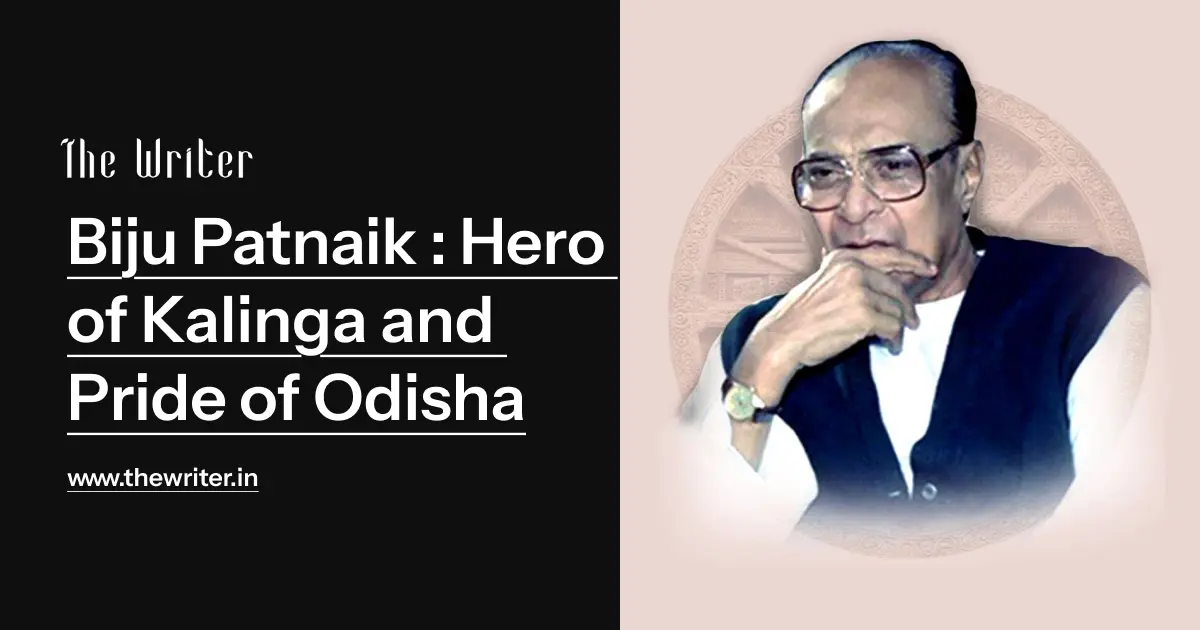
The former Chief Minister Naveen Patnaik asserted that he would continue fighting for Odisha’s rights until his last breath. Meanwhile, Biju Janata Dal (BJD) cadres called for a halt to mineral transportation from mines until the Centre rolls back the MMDR Amendment Act. The protest highlights growing opposition to the amendments and concerns over Odisha’s mineral resources, state interests, and economic rights.
Mrutyunjaya Behera argues that the MMDR Act could be highly detrimental to Odisha’s economic development. When the governments at the Centre and in the state are politically different, Odisha may have to struggle to secure its own rightful revenue. Instead of directly collecting the money it is entitled to, the state could become dependent on the Central Government funds that should rightfully support its own development. This risks undermining Odisha’s financial autonomy, weakening its bargaining power, and turning the state into a supplicant for its own resources. Odisha deserves financial independence, not a system that forces it to beg for its own money.
The INDIA bloc demanded the repeal of the MMDR Amendment Act, 2026, and the resignation of Chief Election Commissioner Gyanesh Kumar. The demands came amid heightened political tensions in Odisha, as protesters clashed with police near the Chief Minister’s residence, intensifying the confrontation between demonstrators and authorities over their demands.