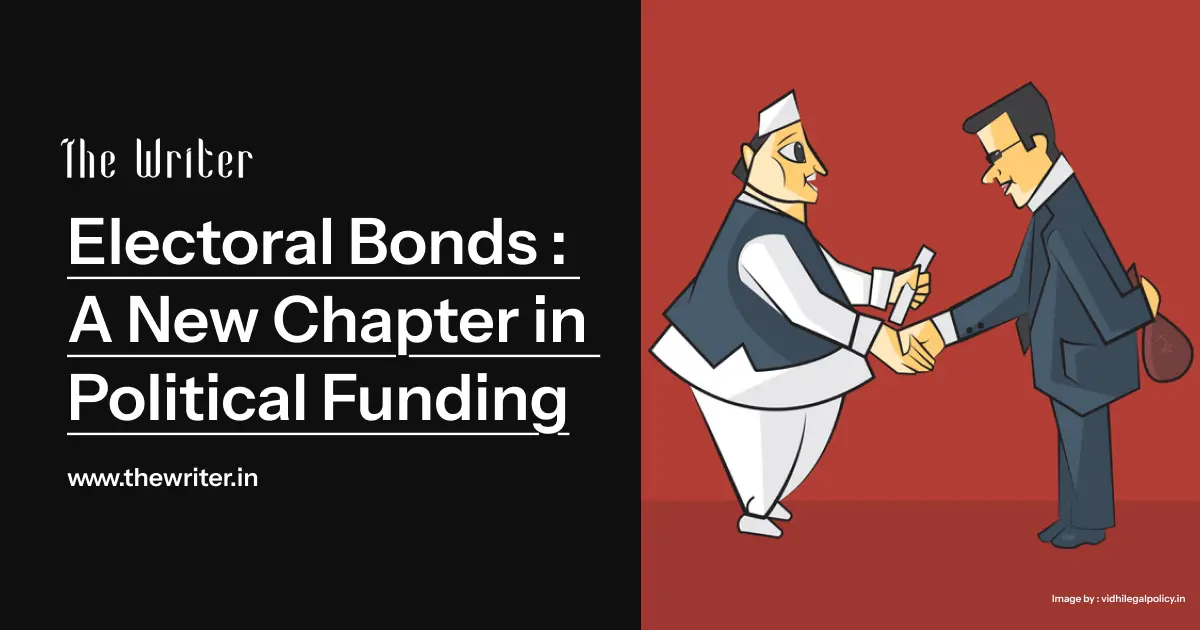

Electoral Bonds: The Next Level of Corruption? Some intellectuals claim that electoral bonds are not genuinely aimed at curbing black money; instead, they often serve to benefit specific political parties. While these bonds are presented as instruments of transparency, they can end up channeling funds to the ruling party, allowing certain businesses to gain favors in the allocation of natural resources. Essentially, those who provide bonds to the ruling party may receive preferential treatment in government deals, creating a system where political funding, business interests, and state resources become closely intertwined.
Additionally, these practices help certain political parties and large businesses create monopolies in the market, undermining small businesses and competitors. By controlling both political influence and market power, dominant players can manipulate regulations, corner resources, and limit fair competition, consolidating wealth and influence in the hands of a few.
In India, many industries are dominated by monopolies, reducing the number of independent businesses. A major reason behind this concentration of power is the role of electoral bonds, which protect and favor certain businesses aligned with political parties. By channeling funds and influence, these bonds help dominant players consolidate their market position, limit competition, and secure preferential access to resources and government deals, making it harder for smaller businesses to survive.